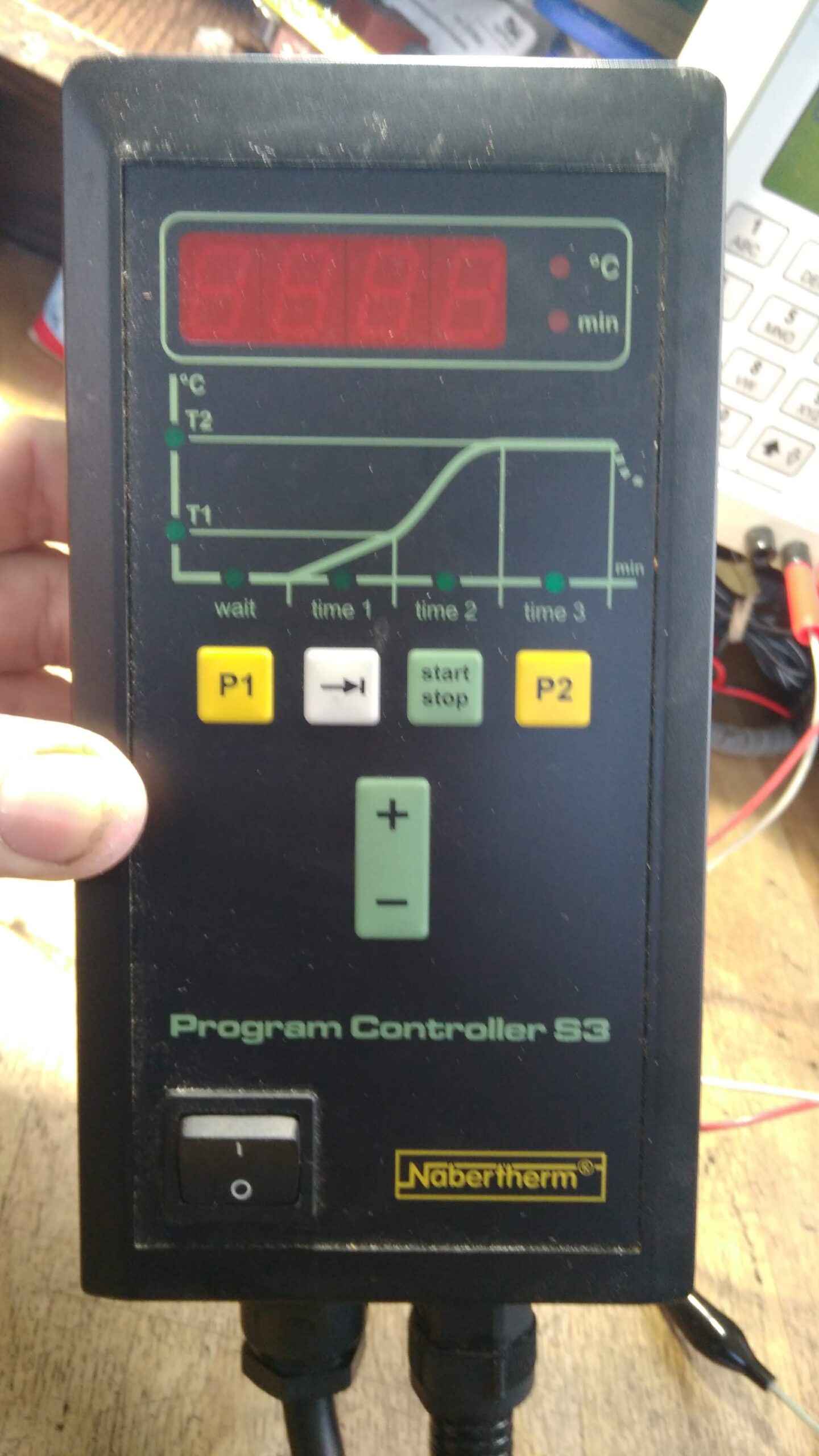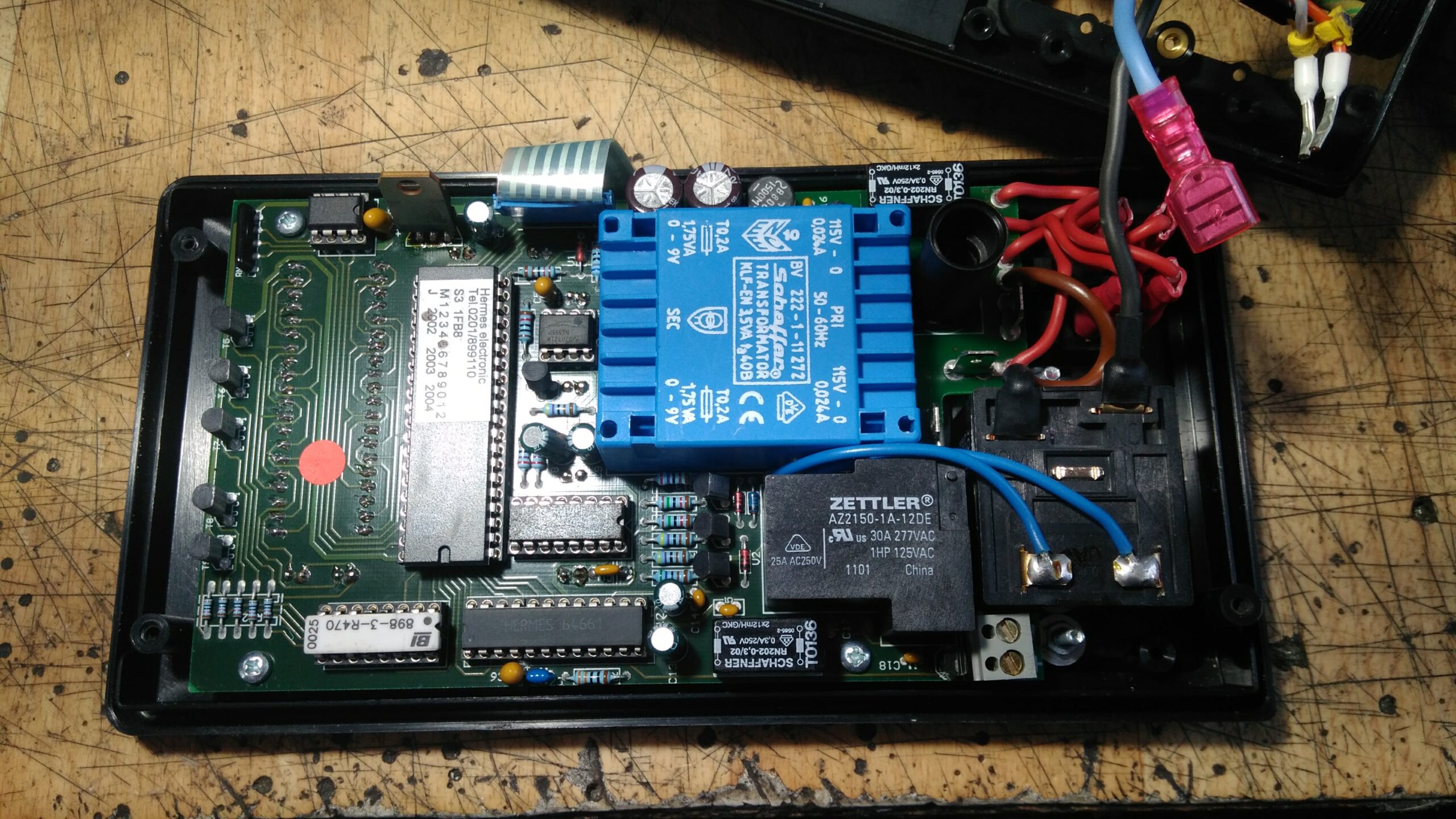


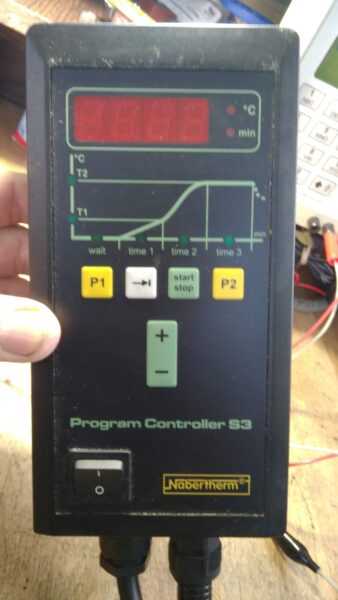
- Manufacturer: Nabertherm GmbH
- Series / Model: Program Controller S3 (S3 / S 3)
- Device Type: Programmable Microprocessor Furnace Temperature Controller
Nabertherm Program Controller S3 units are precision digital temperature programmers engineered to control heating cycles, hold times, and cooling ramps across Nabertherm industrial, laboratory, ceramic, and heat-treatment furnaces.
Operating in close proximity to high-temperature thermal process equipment often leads to component aging within the internal power supply, degradation of cold-junction compensation circuitry, key panel unresponsiveness, or failure of output relays driving main contactors or SSRs. Faults usually cause false temperature readings, thermocouple open-circuit alarms, display dropouts, or failure to energize furnace heating elements.
What we repair on Nabertherm Program Controller S3 units:
-
Thermocouple Input Frontend: Component-level repair of precision analog input stages, cold-junction compensation (CJC) sensors, operational amplifiers, and A/D converters for S, R, K, and J type thermocouples.
-
Internal Power Supply Stage: Overhaul of internal SMPS power supplies, voltage regulators, and replacement of thermally stressed electrolytic capacitors.
-
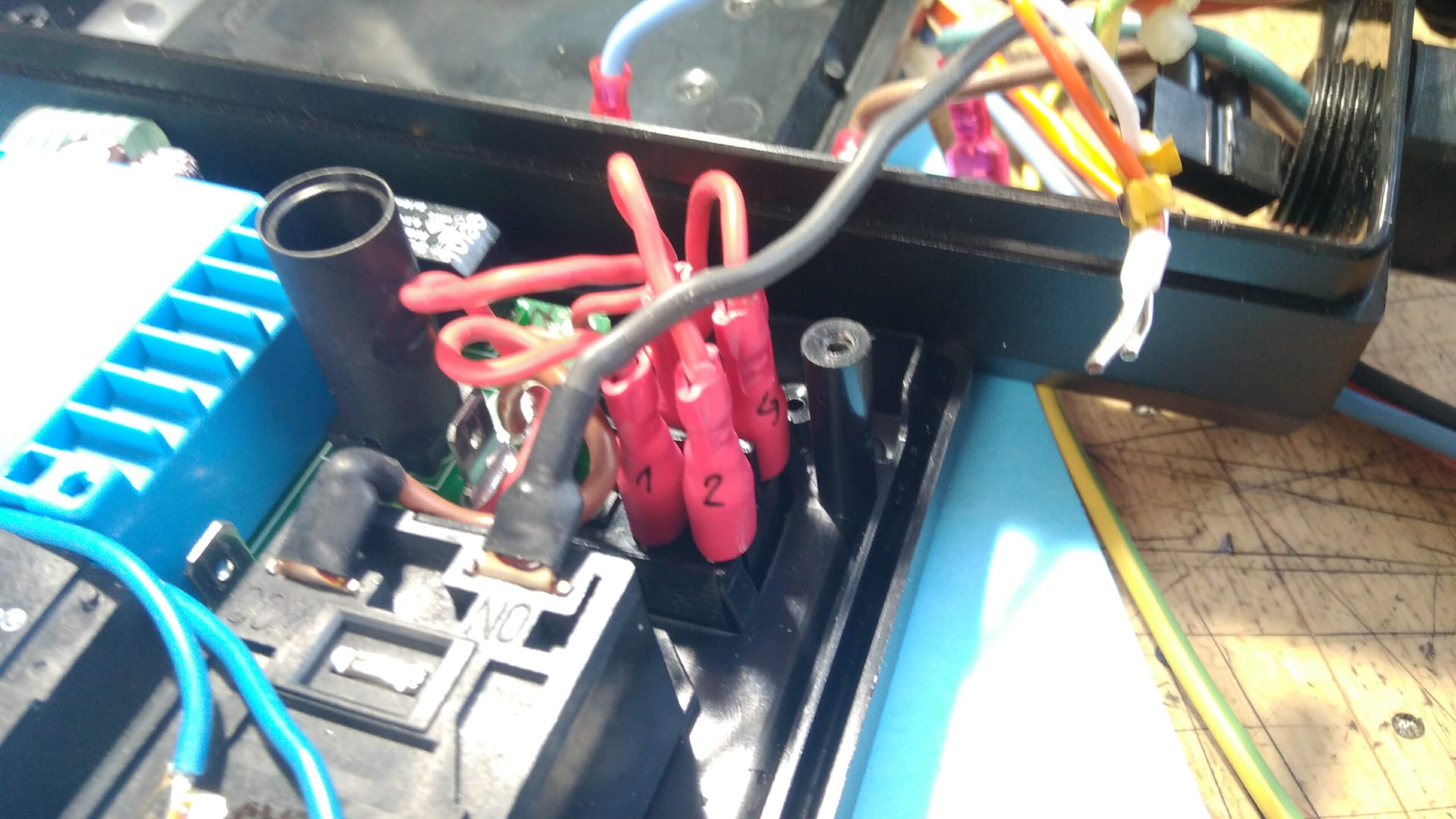
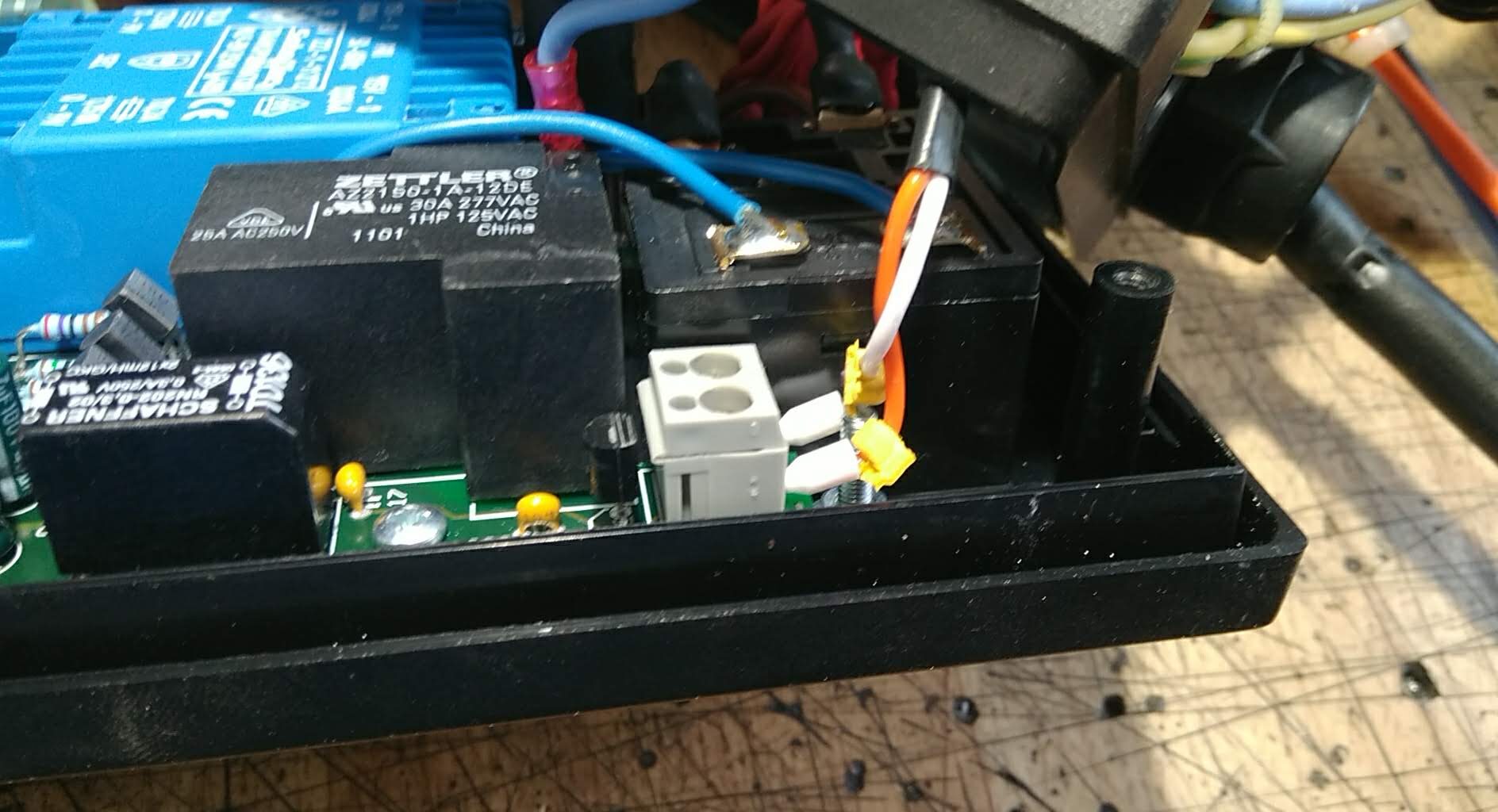
Output Drive Stages (Relay / SSR Output): Replacement of pitted output relays, solid-state relay (SSR) trigger drivers, and surge protection elements.
-
User Interface & Keypad: Repair of degraded LED digit displays, status indicators, and unresponsive front-panel programming keys.
-
Main Board & Memory: Diagnostics and repair of microprocessors, system clocks, and EEPROM memory chips retaining user heating profiles.
Benefits of our repair service:
-
Preserve Firing Programs: Hardware-level repair preserves your stored thermal profiles, ramp rates, and dwell times.
-
No Panel Adaptation Required: Eliminates the need to retrofit newer controller generations (e.g., B500/C500 series) which often require panel cut-out modifications and socket re-wiring.
-
Proactive Overhaul: Passive components exposed to ambient heat are replaced alongside fault repair to guarantee long-term operational stability.